
Big impact, thoughtful design, and inclusive play—no matter the footprint.
When communities think about inclusive playgrounds, they often imagine large, multi-acre parks with expansive budgets. In reality, some of the most meaningful inclusive play experiences happen in small spaces—pocket parks, schoolyards, and compact municipal parcels. With the right planning and design approach, even limited footprints can deliver high play value, full accessibility, and rich sensory experiences for children of all abilities.
At Whirlix Design, we specialize in creating inclusive playgrounds that maximize impact - especially where space and funding are limited. The key is intentional design, smart equipment selection, and an understanding of how accessibility, sensory needs, and community goals intersect.
Below, we share practical strategies, real-world examples, and funding-conscious insights to help municipalities, schools, community groups, and advocates bring inclusive play to life—no matter the size of the site.
Designing for Accessibility in Small Spaces
One of the most common misconceptions is that wheelchair accessibility requires large footprints, however, accessibility is about connectivity and flow, not size.
In compact playgrounds, success starts with a clear, continuous accessible route that connects entry points, surfacing, play components, and rest or shade areas—and provides a usable path back from play events, such as slides or elevated activities, to the primary accessible route. Inclusive design considers not only how a child enters play, but how they safely and independently return to circulation paths and gathering spaces once the activity is complete.
Ramped structures, transfer platforms, and ground-level play elements allow children using mobility devices to engage fully without duplicating equipment or expanding the footprint.
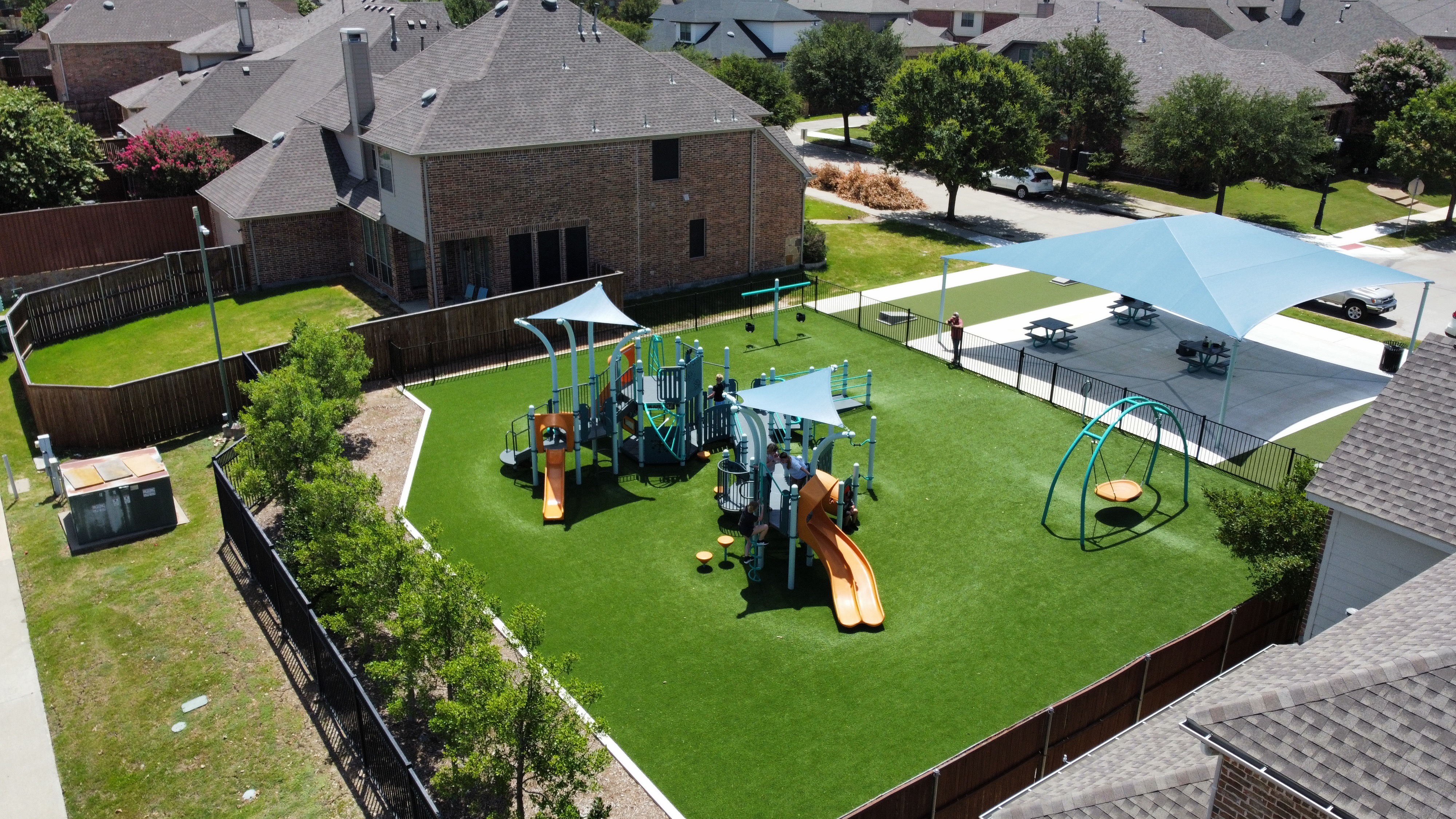
Almsbury Park in Lewisville, Texas is a great example of how this works in practice. As a small neighborhood pocket park, the design incorporates a ramped play structure, accessible low-level activities, and strategically placed shade to ensure comfort and usability. Shaded seating areas allow caregivers to sit comfortably while children play and provide an essential respite for children who are susceptible to heat exhaustion—offering a place to cool down, regulate, and re-enter play at their own pace. Cornhole boards invite older children, teens, and adults to participate, helping transform the park into a truly multigenerational gathering space. Thoughtful perimeter fencing adds an additional layer of safety, particularly for children with autism or others who may be prone to wandering, while still maintaining a welcoming, open feel.
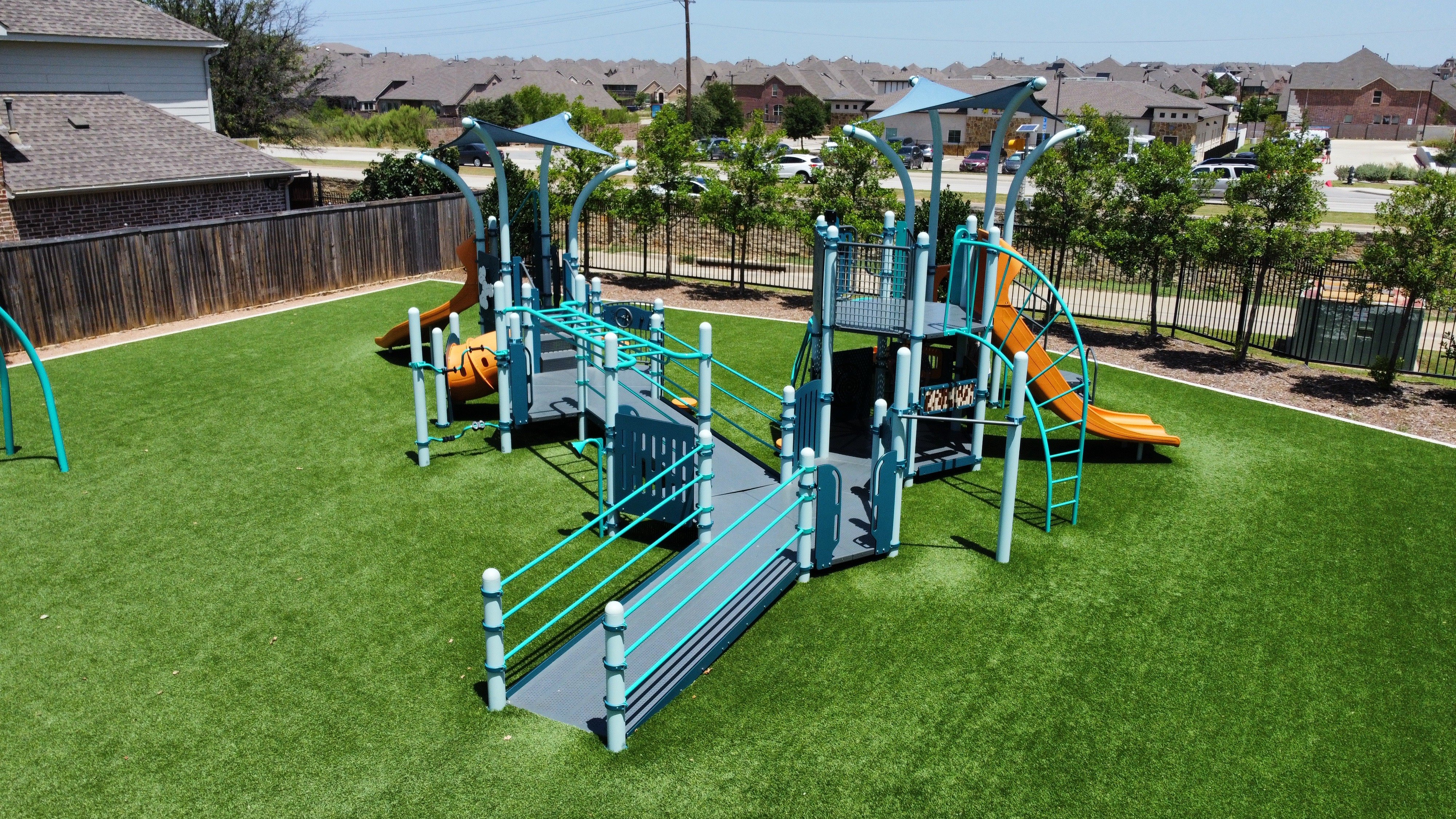
The result is a playground that feels inclusive not just through accessible play structures, but through intentional design choices that support the needs of the entire community. These relatively small investments make a meaningful difference.
From a funding perspective, grant reviewers often look closely at how accessibility is integrated throughout the space—not just whether ADA boxes are checked. Clearly documenting accessible routes, return paths from play events, ramp access, and inclusive play opportunities in your grant narrative strengthens your application and demonstrates thoughtful planning.
Choosing Equipment with the Best Play Value per Square Foot
In small playgrounds, every square foot matters. Rather than trying to fit too many elements into a tight space, the goal is to select multi-functional equipment that supports physical, cognitive, and social play simultaneously.
Inclusive structures with multiple entry points, varied challenge levels, and diverse play events allow more children to play together in the same space. Ground-level components—such as musical elements, tactile panels, and interactive features—add value without increasing height or footprint.
The Noel Angel Alvarez Inclusive Playground in Everman, Texas is a powerful example of how a “smaller” inclusive playground can deliver tremendous value. By prioritizing versatile play components and intentional layout, the city created a space that supports a wide range of abilities and ages while maintaining a strong sense of community connection.
For grants, avoid the pitfall of listing equipment without explaining its purpose. Funders want to understand why each component was selected and how it serves multiple users. Highlighting play value per square foot shows fiscal responsibility and inclusive intent—two things grant reviewers consistently reward.
Using Topography to Expand Play Opportunities
When square footage is limited, natural features can become design assets. Elevation changes, slopes, and existing terrain can add play value without increasing cost or footprint.
At Harvest Park in Argyle, Texas, Whirlix Design used hill play to transform the site’s natural topography into an engaging, inclusive experience. Slopes were incorporated into climbing, sliding, and exploration opportunities that feel organic while supporting physical development and sensory engagement.
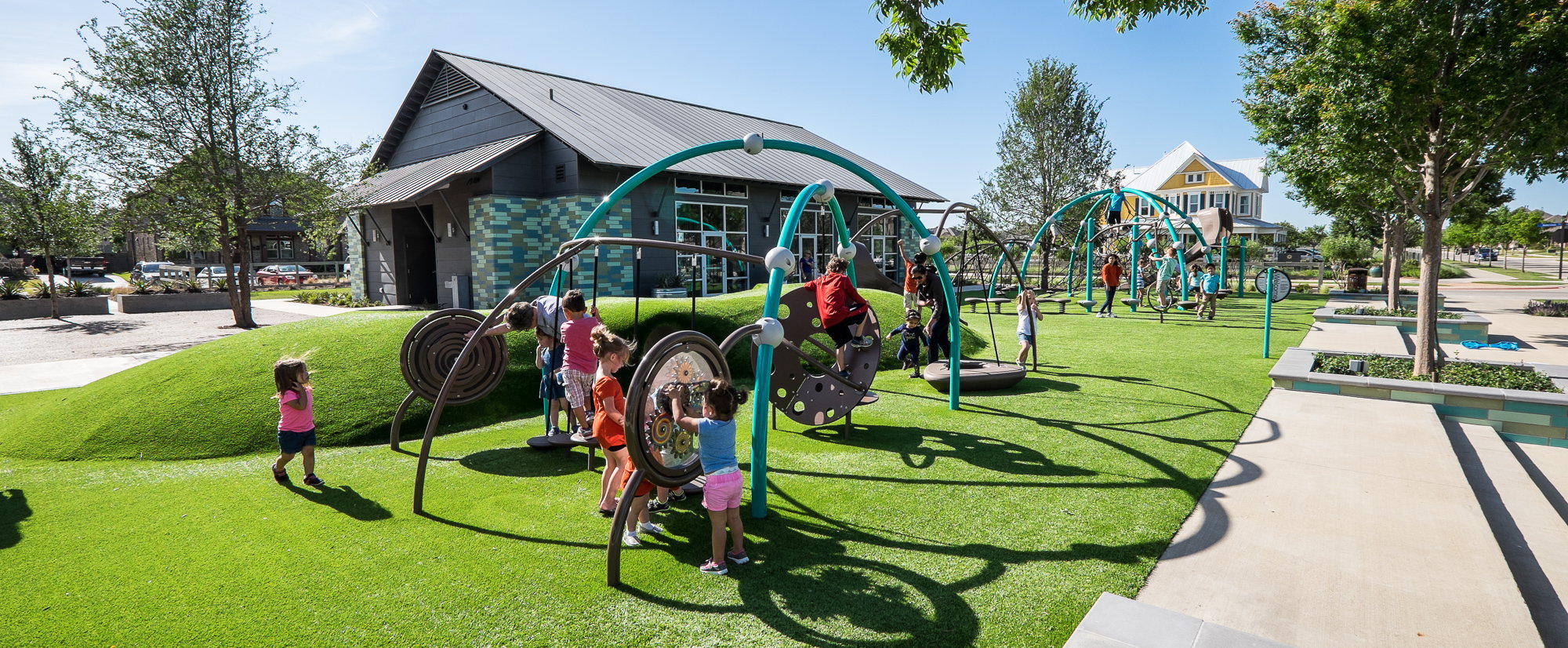
For compact sites, this approach reduces the need for tall structures and extensive surfacing while creating dynamic play experiences. From a grant standpoint, leveraging existing site conditions demonstrates efficient use of resources and thoughtful environmental integration—both strong points in funding applications.
Balancing Sensory Needs in a Compact Layout
Inclusive playgrounds must support a wide range of sensory preferences, especially in small spaces where overstimulation can become an issue. The solution is intentional zoning, even within tight footprints.
By grouping higher-energy activities together and providing quieter, calming elements nearby, designers can create balance without expanding the site. Musical features, textured panels, shaded seating, and visual boundaries help children regulate sensory input while staying connected to the play environment.
This is especially important to communicate in grant narratives. Many funding programs prioritize projects that address sensory inclusion but reject applications that lack clarity. Be specific about how your design supports children with sensory processing differences, autism, or other developmental needs—and how those elements fit within the overall layout.
Cost-Effective Inclusive Surfacing for Tight Budgets
Surfacing is often one of the largest line items in playground budgets - and one of the most scrutinized sections of a grant application. In small playgrounds, strategic surfacing choices can significantly reduce costs while maintaining accessibility.
Poured-in-place rubber is frequently used in inclusive designs, but hybrid approaches -such as combining poured-in-place in high-use or accessible routes with engineered wood fiber in secondary areas -can be both inclusive and budget-conscious. For compact footprints, focusing accessible surfacing where it matters most often yields the best return.
A common grant pitfall is underestimating surfacing costs or failing to explain why a specific surfacing type was chosen. Clearly outlining how your surfacing supports accessibility, safety, and long-term maintenance can make the difference between approval and rejection.
Small Spaces, Big Impact
Inclusive playgrounds don’t need to be large to be meaningful. With thoughtful planning, intentional equipment selection, and a clear understanding of accessibility and sensory needs, even the smallest sites can become powerful community assets.
Projects like Almsbury Park, Harvest Park, and the Noel Angel Alvarez Inclusive Playground show what’s possible when design is guided by purpose rather than square footage. At Whirlix Design, we believe every community, regardless of space or budget, deserves a playground where every child can play, belong, and thrive.
If you’re planning an inclusive playground in a small space or preparing a grant application and want to avoid common pitfalls - we’re here to help guide the process from concept to completion.